

Child Development
Why Messy Play Matters More Than You Might Think
Written by Jeanne, Owner & Director at Blooming Years Nursery
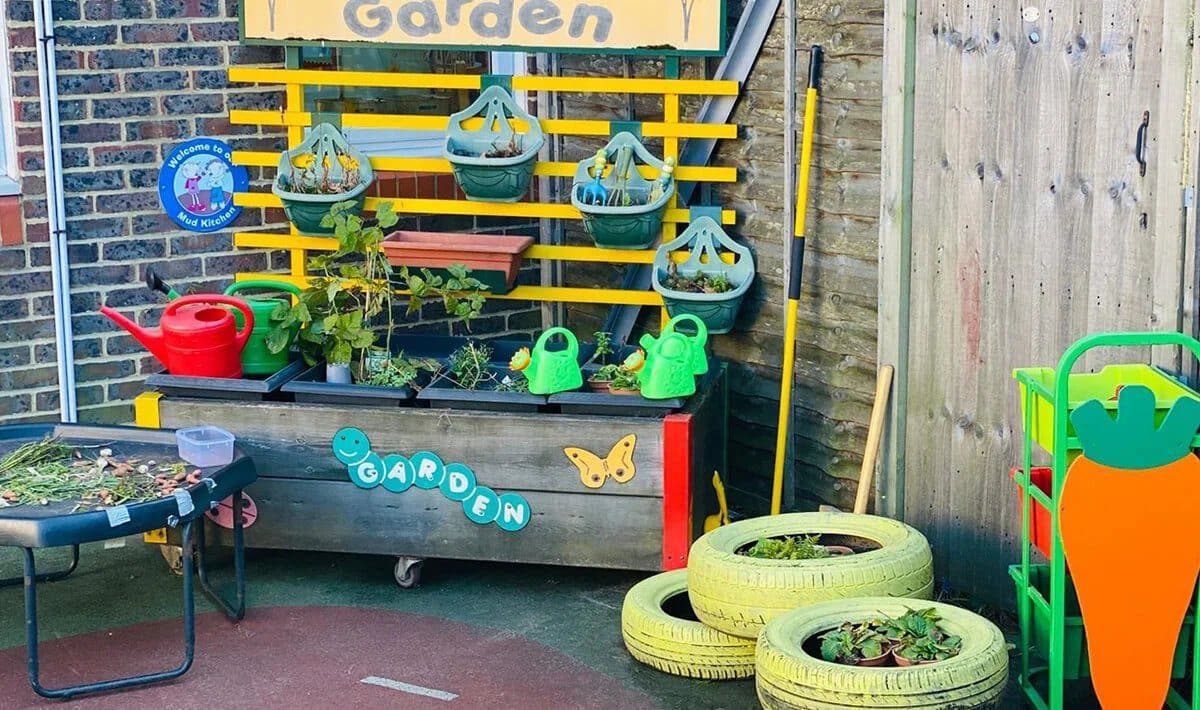
There is a moment we see regularly at Blooming Years, across our settings in Clapham, Wimbledon, Barons Court, Streatham Hill and Croydon, when a child plunges both hands into a tray of wet sand or cold cornflour paste and their whole face changes. Not with disgust, but with something closer to wonder. That moment, repeated hundreds of times a week across our rooms, is what makes messy play one of the things we protect most carefully in our daily routine.
Parents sometimes look a little uncertain when they first see it. That is completely understandable. We are all, to some extent, conditioned to keep things tidy, especially with young children. So I want to explain what we actually observe when children engage in messy play, and why we think it is worth every load of laundry.
What We Mean by Messy Play
Messy play covers a broad range of sensory experiences: paint, clay, mud, water, sand, dough, shaving foam, cooked pasta, dried lentils, leaves, bark. Anything that invites a child to touch, squeeze, pour, mould, mix or explore with their hands and bodies. At Blooming Years we incorporate messy play both indoors and outdoors. Most of our settings have a mud kitchen in the garden, which gets a great deal of use whatever the weather.
What It Actually Develops
Sensory processing. Children between three months and five years are still building their understanding of how the world feels. Handling different textures, temperatures and consistencies helps the brain make sense of sensory information. We find that children who engage regularly in messy play often become more comfortable with unfamiliar physical experiences over time.
Fine motor skills and hand strength. Squeezing dough, pinching clay, spooning wet sand from one container to another. These actions build the small muscles in the hands and fingers that children will eventually use for writing, fastening buttons and using cutlery. It is quiet, purposeful physical development.
Language and communication. Messy play generates conversation. We hear children describing what things feel like, comparing textures, asking questions, narrating what they are making. Alongside a practitioner or a friend, it becomes a rich context for vocabulary development. Words like smooth, squelchy, sticky, gritty, runny and solid come up naturally because children are living those descriptions.
Problem solving and creative thinking. When a child tries to build a tower from wet sand or mix two colours of paint and notices something unexpected happens, they are experimenting. They are forming hypotheses and testing them. This is early scientific thinking, and it happens without anyone teaching it.
Emotional regulation. We see this one a lot. There is something genuinely calming about repetitive sensory activity. Children who are unsettled, anxious or overwhelmed will often become absorbed and regulated through messy play in a way that few other activities achieve. For children joining us from across Lambeth, Merton, Hammersmith and Fulham or Croydon who are still finding their feet in a new setting, it can be one of the most gentle and effective ways into the nursery environment.
What About Children Who Do Not Want to Touch?
This comes up often, and it is worth saying clearly: we never push a child into sensory play. Some children are more sensitive to texture and need much more time and distance before they feel comfortable joining in. We might start by offering a spoon rather than asking for bare hands, or simply letting a child watch while sitting nearby. In our experience, given enough time and no pressure, most children find their own way in.
The Mess Is the Point
I think one of the most important things I can say to parents is this: the mess is not a side effect of the learning. It is part of it. When children are given permission to be physically free with materials, to not worry about keeping things contained or correct, something shifts. They take risks. They try things. They stop editing themselves before they have even started. That quality, the willingness to have a go, is something we want every child to carry with them long after they leave us at five.
At Blooming Years we always ask families to send children in comfortable clothing they do not mind getting dirty, and to keep a spare set in their bag. Waterproofs and wellies during wetter months make a real difference to how much outdoor messy play we can offer.
If you would like to see messy play in action and get a feel for how we approach it across our settings in South and West London, we would love to show you around. Book a tour and come and meet the team.
Come and see us for yourself
Book a relaxed tour of Blooming Years Nursery and meet our team.
Book a tourOther guides you might like

Child Development
What Mixed-Age Learning Actually Looks Like in a Nursery Setting
Mixed-age groupings are a deliberate choice at Blooming Years, not just a logistical one. Here's what we observe day to day, and why it matters for young children's development.

Child Development
Why Play Is the Most Serious Thing We Do at Nursery
Play is how young children make sense of the world, build relationships, and develop the skills they'll carry into school and beyond. Here's what we see every day at Blooming Years.
Child Development
Sleep and Development in the Early Years: What We See at Nursery Every Day
Sleep shapes almost everything in the early years, from mood and memory to how children learn and grow. Here's what we observe day to day at Blooming Years, and what it means for your child.