

Tips for Parents
Potty Training: A Gentle Approach That Follows Your Child's Lead
Written by Jeanne, Owner & Director at Blooming Years Nursery
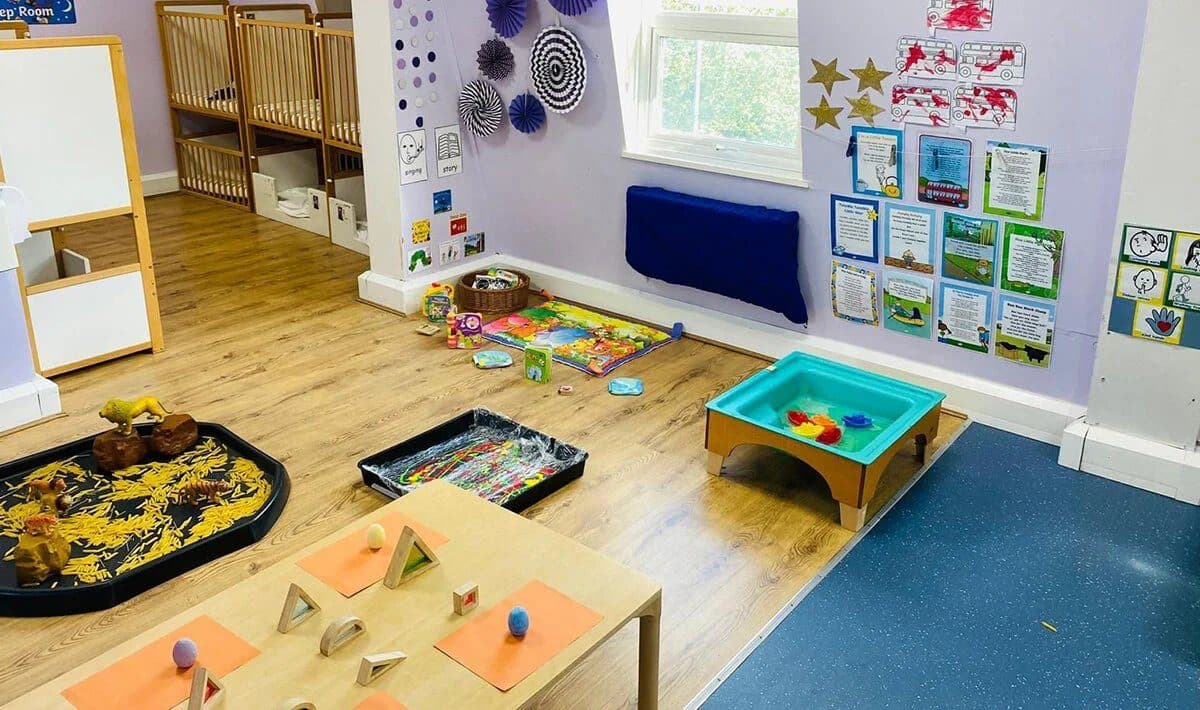
Potty training comes up in almost every conversation I have with families whose children are approaching two and a half or three. It sits somewhere between exciting and terrifying for most parents, and I completely understand why. At Blooming Years, we support children through this transition across all our settings in South and West London, and over the years we've built a clear sense of what helps and what makes things harder.
The short version: slow down, follow your child, and try not to let the pressure creep in.
Readiness matters more than age
One of the most common things parents ask us is: when should we start? The honest answer is that age is less important than readiness. In our nursery rooms, we look for signs that a child is becoming aware of their body. This includes telling you when their nappy is wet or dirty, showing interest when others use the toilet, staying dry for longer stretches, or pulling at their nappy.
If a child isn't showing any of these signs yet, starting early rarely speeds things up. In our experience, children who are developmentally ready tend to take to potty training much more quickly and with far less distress than those who are pushed before they're there.
Keeping home and nursery consistent
This is where our partnership with families really matters. When parents and our team are using the same language, the same approach, and the same expectations, children feel safe and consistent messages help them make sense of what's happening.
When a family tells us they're starting potty training at home, we have a proper conversation about it. We ask:
- What words does your child use for the toilet?
- Are they using a potty or a toilet seat?
- How often are you prompting them to try?
- How are they responding so far?
We then match that approach in the nursery setting as closely as we can. Families in Croydon, Lambeth, and Merton, just like those across our Hammersmith and Fulham settings, tell us that this consistency between home and nursery is one of the things that makes the biggest difference.
What we do at nursery
We offer children regular, low-pressure opportunities to use the toilet throughout the day. We never force it, and we never make a fuss when accidents happen. Accidents are a completely normal part of the process and our staff treat them matter-of-factly, with kindness.
Practical things that help at nursery:
- Easy clothing. Elasticated waists and trousers your child can manage themselves make a real difference. Avoid dungarees and complicated fastenings during this period.
- Spare clothes. We ask families to send in several changes of clothing, labelled, so we're always prepared.
- No pressure language. We say things like "let's pop to the loo" rather than "do you need a wee", which tends to get a reflexive "no" from most children.
- Celebrating effort, not just success. We acknowledge when children try, not only when they manage it.
When things feel stuck
Potty training rarely goes in a straight line. We often see children who seem to have cracked it at home but then have more accidents at nursery when they're tired or absorbed in play. This is completely normal. A busy, stimulating nursery environment can mean children simply don't notice the signals as easily as they do at home.
If a child is finding the process particularly difficult or stressful, we always suggest pausing and returning to nappies for a few weeks. There is no benefit to pushing through if a child is becoming anxious. When you restart a little later, things often go far more smoothly.
We also find that some children take longer than others with no particular cause for concern. If parents have any worries about development, we are always happy to discuss them and, where appropriate, signpost to health visitors or community paediatric teams.
A note on funding
For families with children aged three and above, the government's funded hours can make nursery more accessible during this stage of development. All three and four year olds are entitled to 15 hours per week of free childcare, and eligible working parents may qualify for 30 hours. Since September 2025, funded hours are also available for younger children from nine months old, which means more families can benefit from the kind of consistent, nurturing care that supports transitions like potty training. Visit our fees and funding page for details of what's available at our settings, and check your eligibility at childcarechoices.gov.uk.
Come and talk to us
Potty training is one of those things that feels much more manageable when you're not navigating it alone. If you'd like to see how we approach it in practice, or talk through how we'd support your child specifically, I'd love to show you round. Book a show-around at whichever of our settings is closest to you, whether that's in Merton, Lambeth, Croydon, or Hammersmith and Fulham.
Come and see us for yourself
Book a relaxed tour of Blooming Years Nursery and meet our team.
Book a tourOther guides you might like
Tips for Parents
Preparing for the Summer Holidays with a Toddler: Practical Ideas That Actually Work
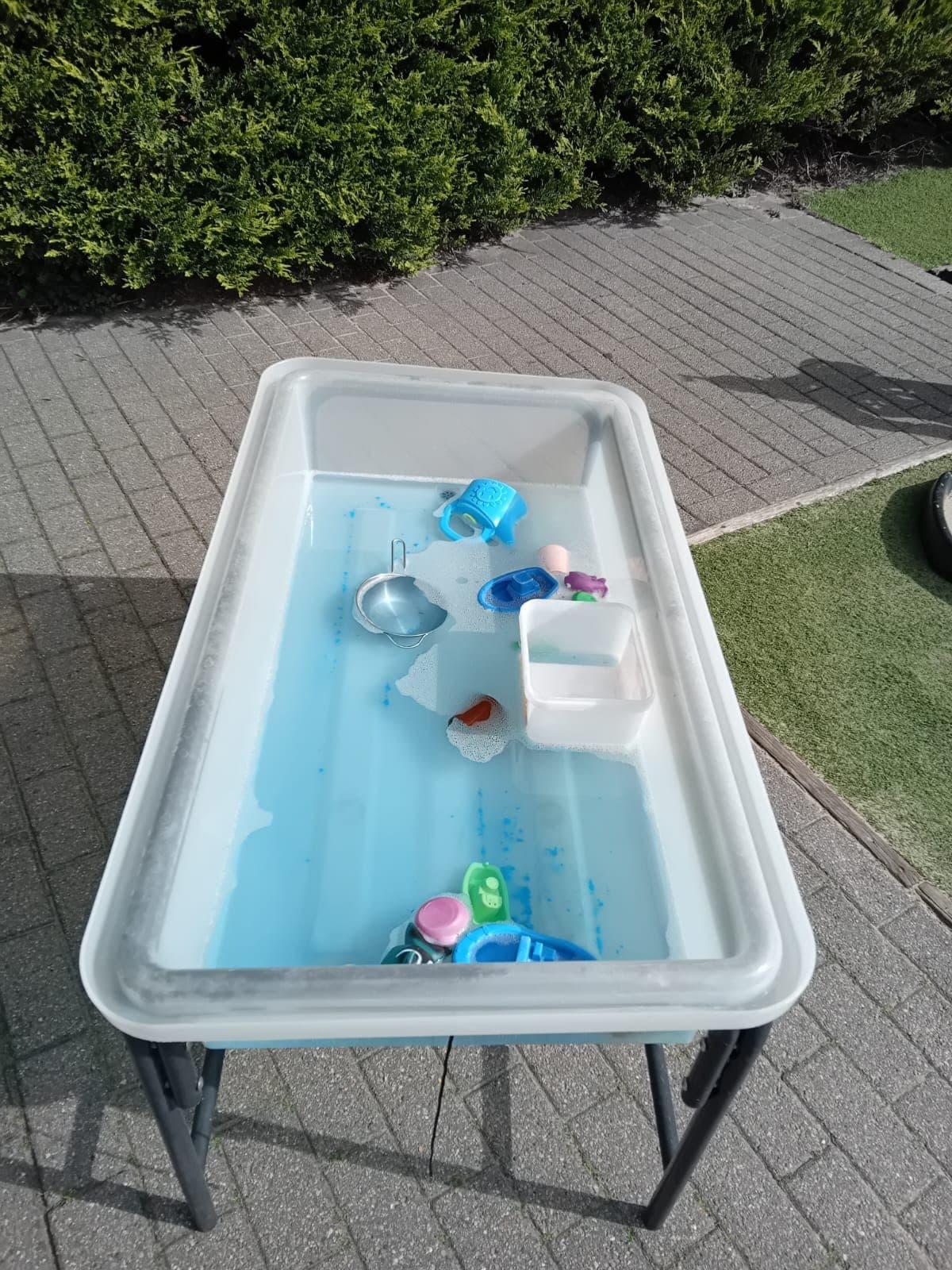
The summer holidays can feel long and a little daunting with a toddler in tow. Here are some honest, practical ideas from the team at Blooming Years to help you make the most of it.

Tips for Parents
Screen Time and Young Children: What We See at Nursery and What Actually Helps
Screen time is one of the questions we hear most from parents across our nurseries. Here's an honest look at what we observe day to day, and what tends to make a real difference for young children.
Child Development
Why Outdoor Play Matters: What We See Every Day at Blooming Years
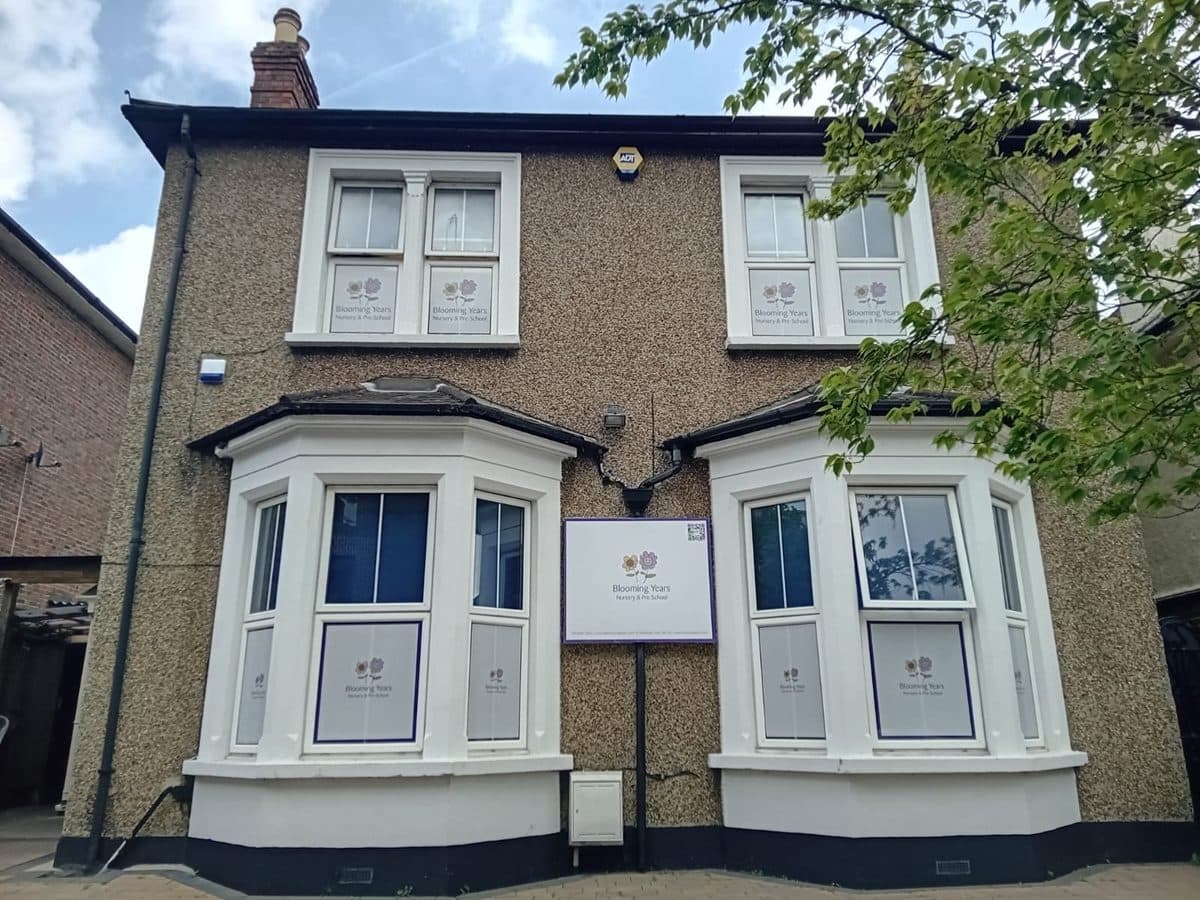
From muddy hands to big discoveries, outdoor play is one of the most powerful things we offer young children each day. Here's why we take it so seriously at Blooming Years.
Frequently asked questions
What age do most children start potty training?
Most children show signs of readiness somewhere between two and three years old, though this varies widely. At Blooming Years, we focus on readiness cues rather than age: staying dry for longer, showing awareness of a wet nappy, and expressing interest in the toilet are all signs worth watching for.
How does Blooming Years handle accidents during potty training?
We treat accidents as a normal part of the process. Staff respond calmly and without fuss, change children discreetly, and make sure no child feels embarrassed. We ask families to send in several labelled sets of spare clothes so we're always prepared and the day can carry on without disruption.
Can I start potty training at home while my child still wears nappies at nursery?
Yes, absolutely. Many families start at home first. We'd always encourage a conversation with your child's key person so we can align our approach as soon as you're ready to extend it to nursery. Consistency between home and nursery tends to help children feel settled and make progress more steadily.
Does Blooming Years accept funded childcare hours for three year olds?
Yes, we accept both 15-hour and 30-hour government funding at all our settings. For details of our fees and how funding applies at your nearest location, visit our fees and funding page. You can check your eligibility at childcarechoices.gov.uk. We're always happy to talk through your options when you book a show-around.