

Child Development
Sleep and Development in the Early Years: What We See at Nursery Every Day
Written by Jeanne, Owner & Director at Blooming Years Nursery
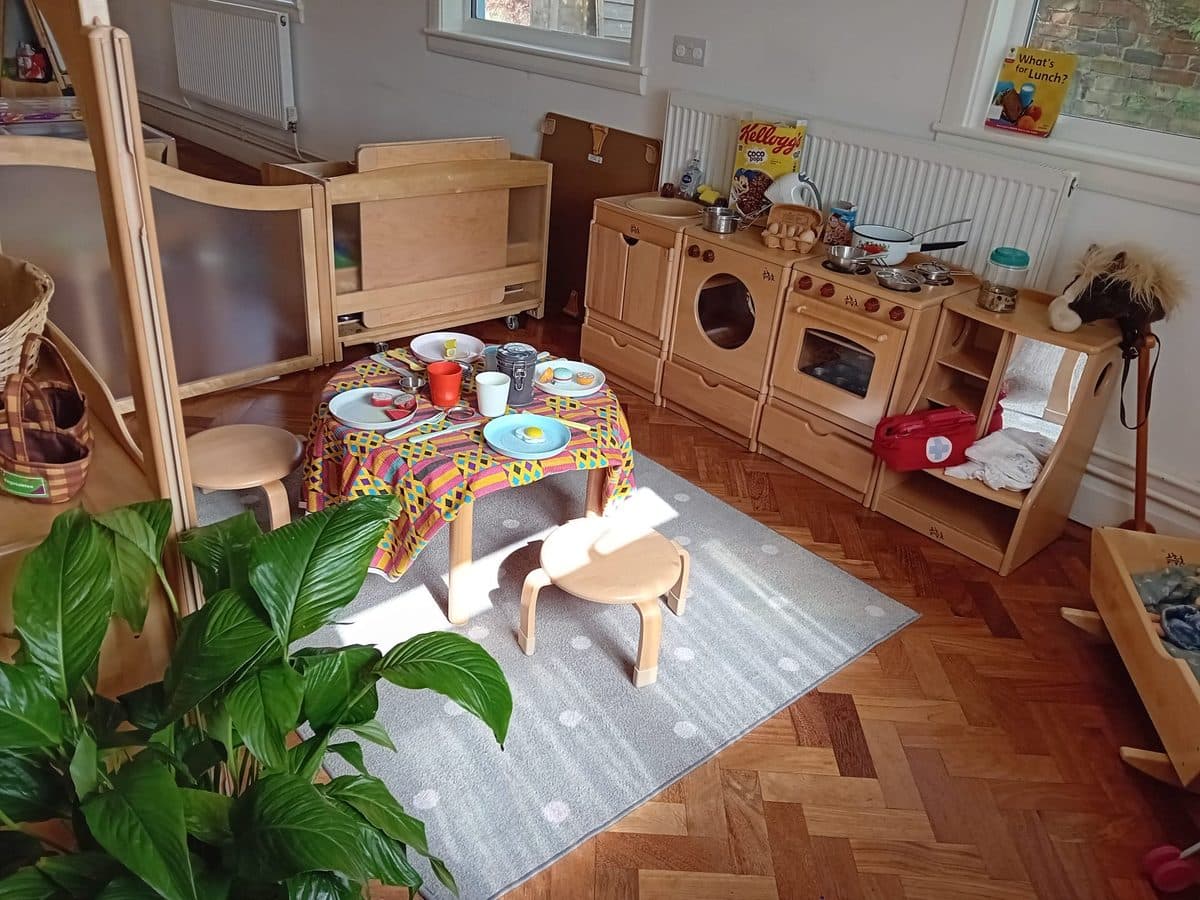
Sleep is one of those topics that comes up in nearly every conversation I have with parents, whether it's a family joining us at our Clapham setting or one of the newer families settling in across our Croydon or Wimbledon sites. It sits at the heart of so much that we observe in children day to day, and yet it's often treated as a separate concern from nursery life, something that happens at home and stays there.
In my experience, the two are deeply connected. How a child sleeps shapes how they arrive at nursery, how they engage, how they manage their feelings, and how much they retain from the day.
What sleep actually does for young children
For babies and toddlers, sleep is not downtime. It's when a huge amount of developmental work happens. During sleep, the brain consolidates what it has taken in during waking hours. A baby who has been exploring textures, watching faces, and hearing language all morning is processing all of that while they nap.
We see this play out regularly across our nurseries. Children who have had good rest are typically more curious, more willing to try something new, and more able to manage small frustrations without becoming overwhelmed. On days when sleep has been disrupted, the same children often find it harder to engage, become upset more easily, or lose interest in activities they would usually enjoy.
This isn't a criticism of those days. It's simply what we observe, and it helps us understand the child in front of us.
Sleep patterns change constantly in the early years
One thing I always want parents to hear is that there is no single normal. A three-month-old sleeping in short bursts throughout the day is doing exactly what they should. A two-year-old who has dropped their nap is not behind. A four-year-old who still benefits from a quiet rest in the afternoon is not unusual.
What we do know is that sleep needs shift significantly across the early years:
- Babies (3 to 12 months): Most need between 12 and 16 hours in a 24-hour period, spread across night sleep and several daytime naps.
- Toddlers (1 to 2 years): Typically around 11 to 14 hours, usually with one longer nap during the day.
- Two to three year olds: Many still nap, but the transition away from daytime sleep often begins around age three.
- Three to five year olds: Around 10 to 13 hours overnight. Some children this age sleep deeply and wake refreshed; others take longer to settle.
The NHS Start for Life resource has helpful guidance on sleep by age if you want a reliable starting point.
What we do at nursery to support rest
At Blooming Years, our approach to sleep and rest is led by the individual child. For our youngest ones, we work closely with parents from the very beginning. Before a child starts, we'll ask about their sleep routine, whether they use a comforter, how they like to be settled, and what their pattern at home looks like. We want nursery to feel like a continuation of what feels safe and familiar, not a disruption to it.
For babies and younger toddlers, we have quiet, calm sleep spaces and we follow safe sleep guidance carefully. For older children who are moving away from napping, we build in quieter periods during the day. A child who is tired but no longer naps often needs somewhere lower in stimulation for twenty minutes, even if they don't fall asleep.
Parents in Lambeth, Merton, and across Hammersmith and Fulham often tell us that the daily updates they receive from us, which include sleep as standard, help them understand their child's rhythm better and spot patterns they hadn't noticed before.
When sleep feels like a problem
Sleep struggles are genuinely exhausting for families, and I don't want to minimise that. Night waking, early rising, difficulty settling, and short naps are among the most common things parents raise with our teams.
What I find helpful to say is this: a period of disrupted sleep often coincides with developmental leaps. A child learning to walk, going through a language burst, or navigating a big change like starting nursery will often show it in their sleep first. That doesn't make it easier to live with, but it can help to know it's usually temporary and connected to growth.
If sleep has been a recurring concern over a longer period, it's always worth talking to your health visitor or GP. Our teams can also share what we observe during the day, which sometimes gives families useful context.
Sleep and school readiness
As children move towards the reception year, sleep becomes quietly important in a different way. Children who are consistently well-rested find it easier to regulate their emotions, follow instructions, concentrate for longer stretches, and build friendships. These are exactly the skills we spend our time nurturing across all six of our nurseries, from Streatham Hill to Barons Court, and sleep is part of the foundation they rest on.
If you'd like to see how we approach rest, routine, and the wider day for young children, we'd love to show you around. You can book a show-around at whichever of our sites suits you best. Come and see what a typical day looks like.
Come and see us for yourself
Book a relaxed tour of Blooming Years Nursery and meet our team.
Book a tourOther guides you might like

Child Development
Building Friendships: How We Support Social Skills at Nursery
Social skills are just as important as learning to count or recognise letters. We share how we help children develop confidence, empathy and friendships from their earliest years.

Child Development
How Nursery Helps Young Children Build Social Skills That Last
Social skills don't arrive fully formed. They develop slowly, through hundreds of small moments across the day. Here's what we see happening in our nurseries, and how you can support the same growth at home.
Child Development
What Is the EYFS Framework and What Does It Mean for Your Child?
The EYFS framework shapes everything that happens in a nursery, from how staff plan activities to how your child's progress is tracked. Here's what it actually means in practice.
Frequently asked questions
How do you handle sleep and nap times at nursery for young babies?
We follow each baby's individual routine as closely as possible, taking cues from parents during settling in. We ask about sleep preferences, comforters, and settling habits before a child starts. Safe sleep guidance is followed at all times, and parents receive daily updates including details of how and when their child slept.
My child has stopped napping at home but gets very tired in the afternoon. What can you do?
This is something we see regularly, especially in children aged three and above. We build in quieter, lower-stimulation time during the afternoon for children who need it, even if they no longer sleep. This helps them manage the second half of the day without becoming overwhelmed or dysregulated.
Does Blooming Years send updates about my child's sleep during the day?
Yes, daily updates are a standard part of how we communicate with families across all our nurseries. Sleep is included alongside meals, activities, and emotional wellbeing. Parents often tell us these updates help them understand their child's rhythm better and spot patterns across the day and night.
Can I visit Blooming Years before my child starts to talk through routines including sleep?
Absolutely. We encourage all families to visit first so you can meet the team and ask exactly these kinds of questions. You can book a show-around at whichever of our sites works for you. Before your child's first day, a member of our team will also call you specifically to understand what helps your child feel safe and settled.