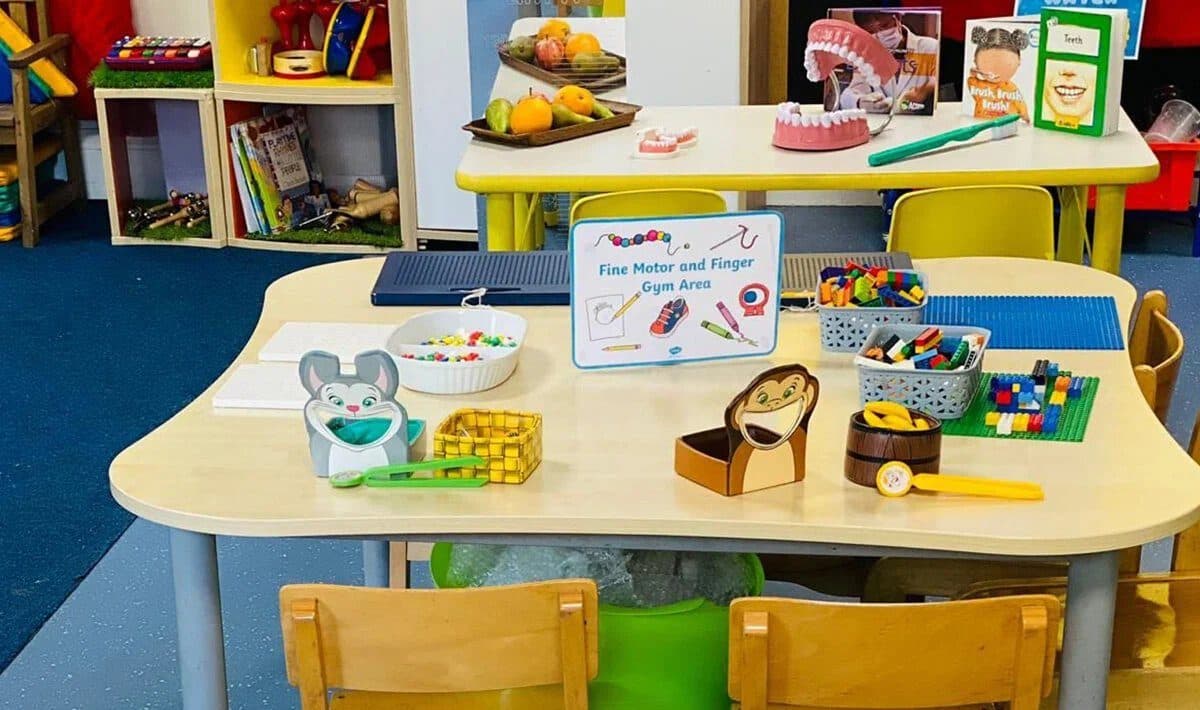

 2 to 3 years
Toddlers
- Ratio
- 1:5
- Outdoor access
Language development, independence, boundaries, social skills, mark making and imaginative play.
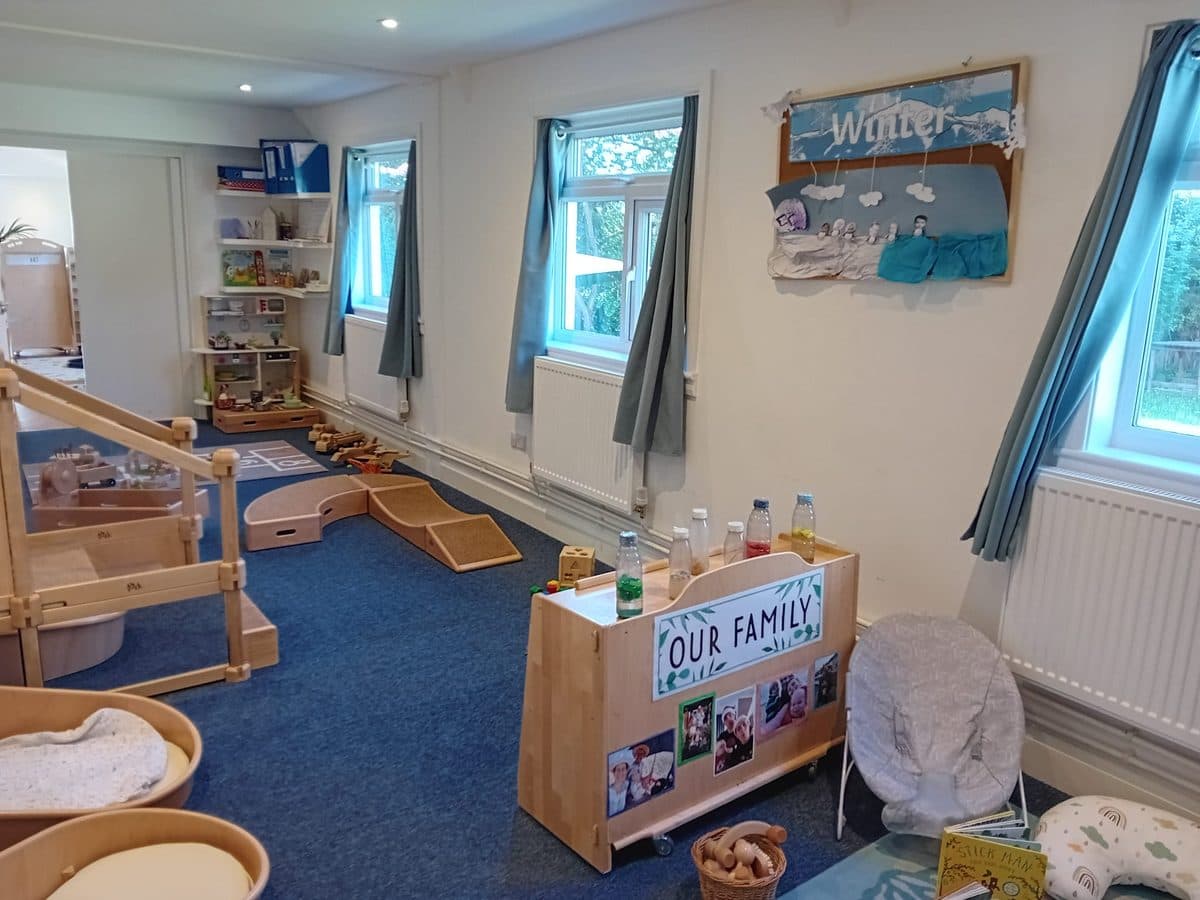
Nine months to two years is a period of enormous change. A baby who can barely sit unsupported at the start of the year might be walking, babbling their first words and confidently pointing at what they want by the end of it. Our Baby Room is built around that pace of change, with a small group size and a 1:3 ratio that means the adults caring for your child actually have the time to notice these shifts as they happen, rather than catching up after the fact.
At this age, almost everything that matters grows out of one thing: a secure bond with a familiar adult. That is why we work hard to make sure your child has a consistent key person who knows their routines, their comfort habits and the particular way they like to be settled for a nap. From that foundation of trust, babies start to explore, communicate and move with real confidence. Our baby suite is set up specifically for this stage, with space for tummy time and early crawling, quiet corners for feeding and rest, and the kind of low-key sensory exploration that supports early language long before first words arrive.


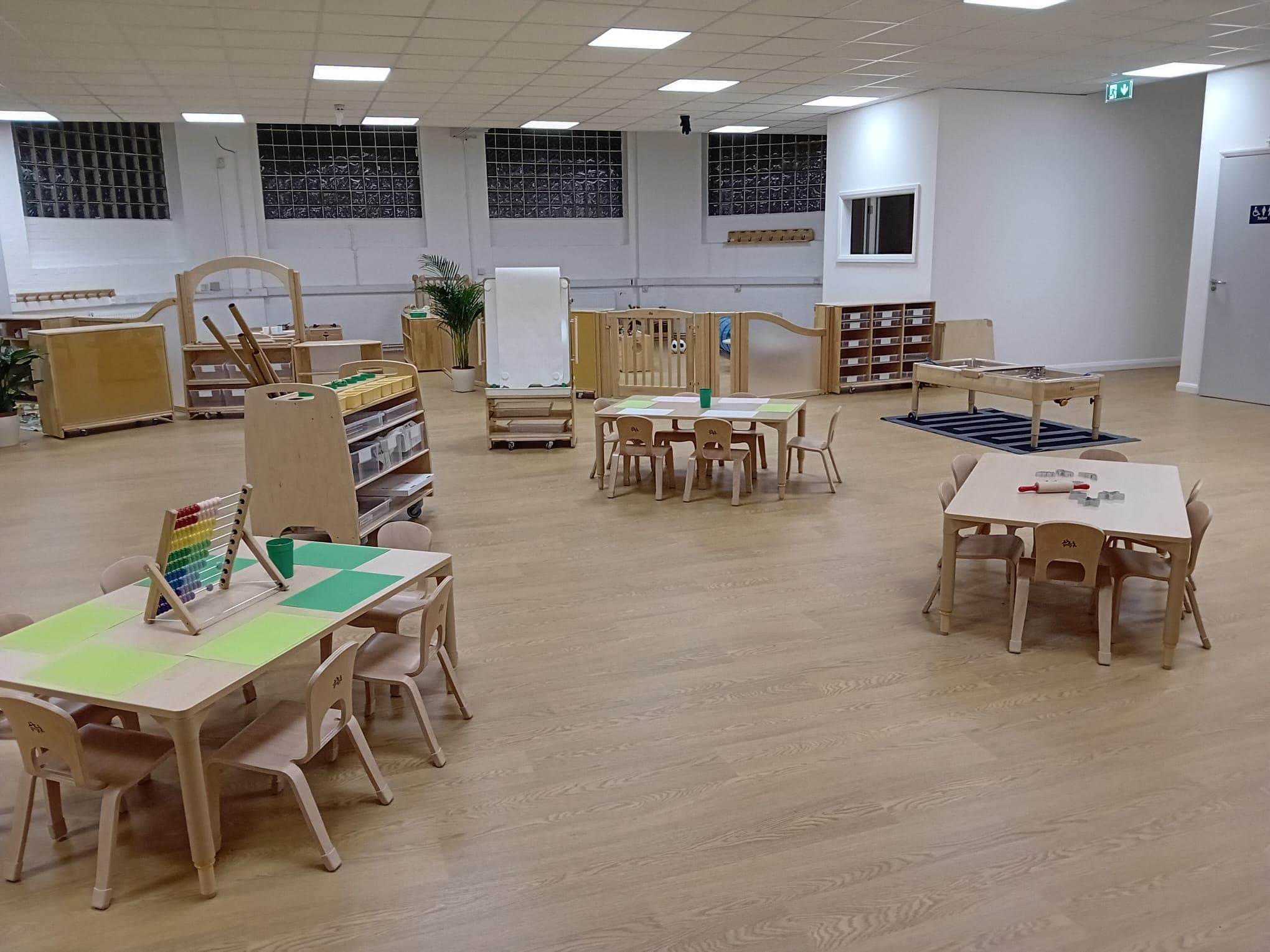
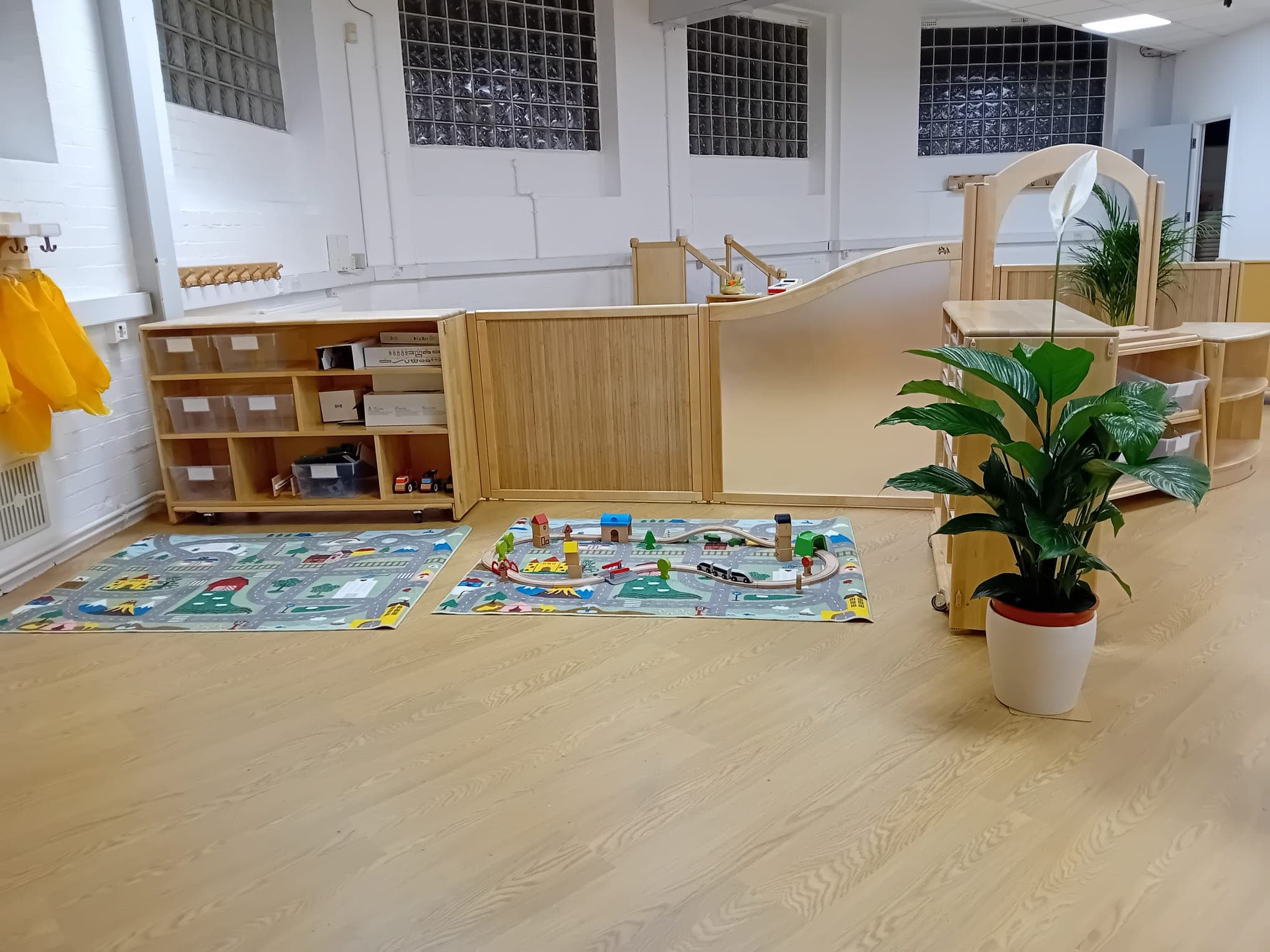
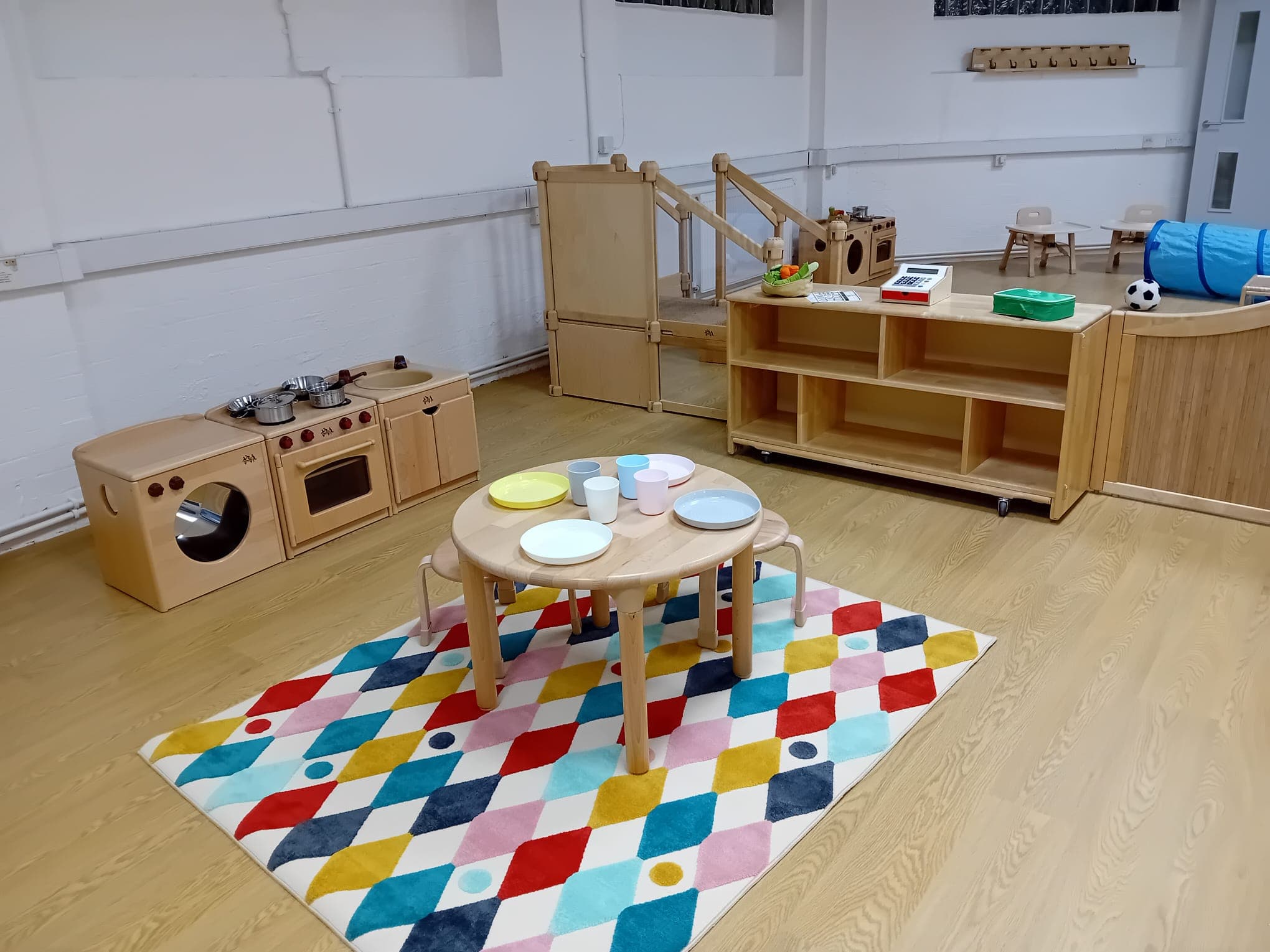
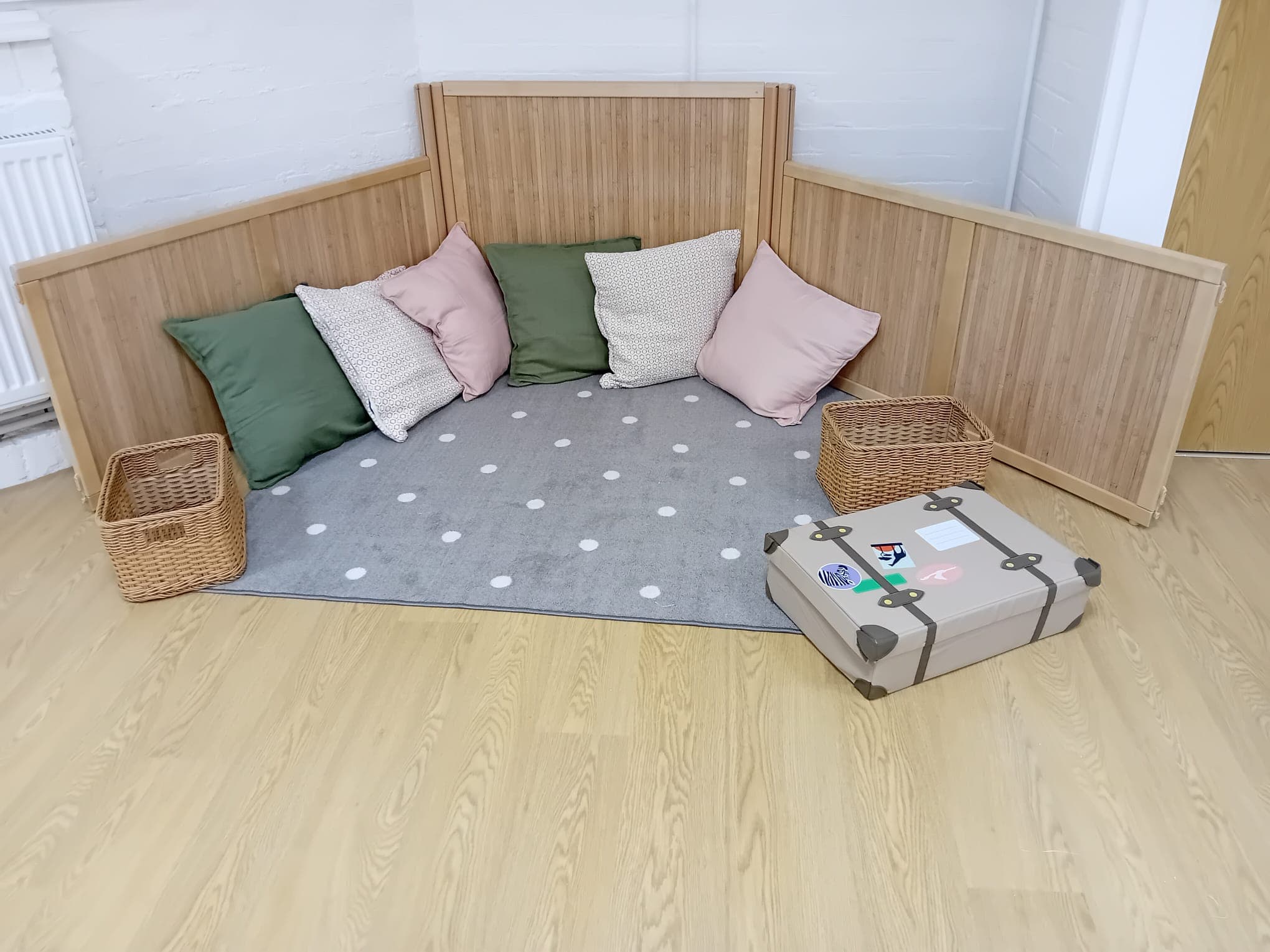


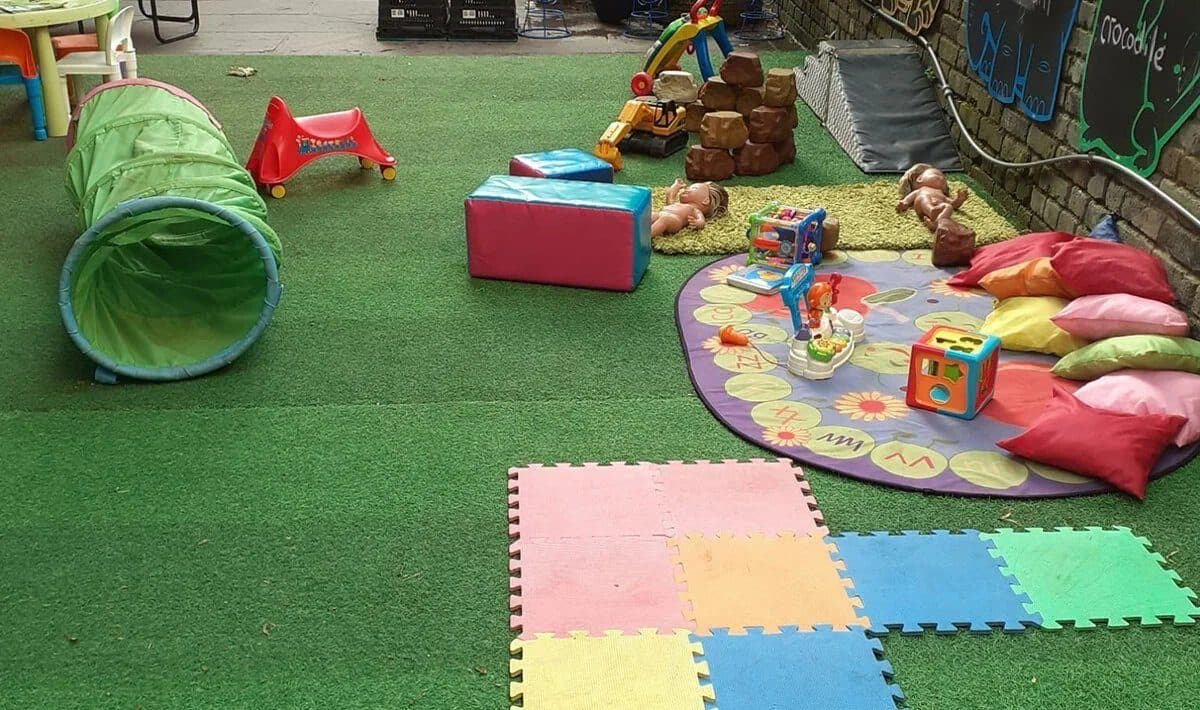
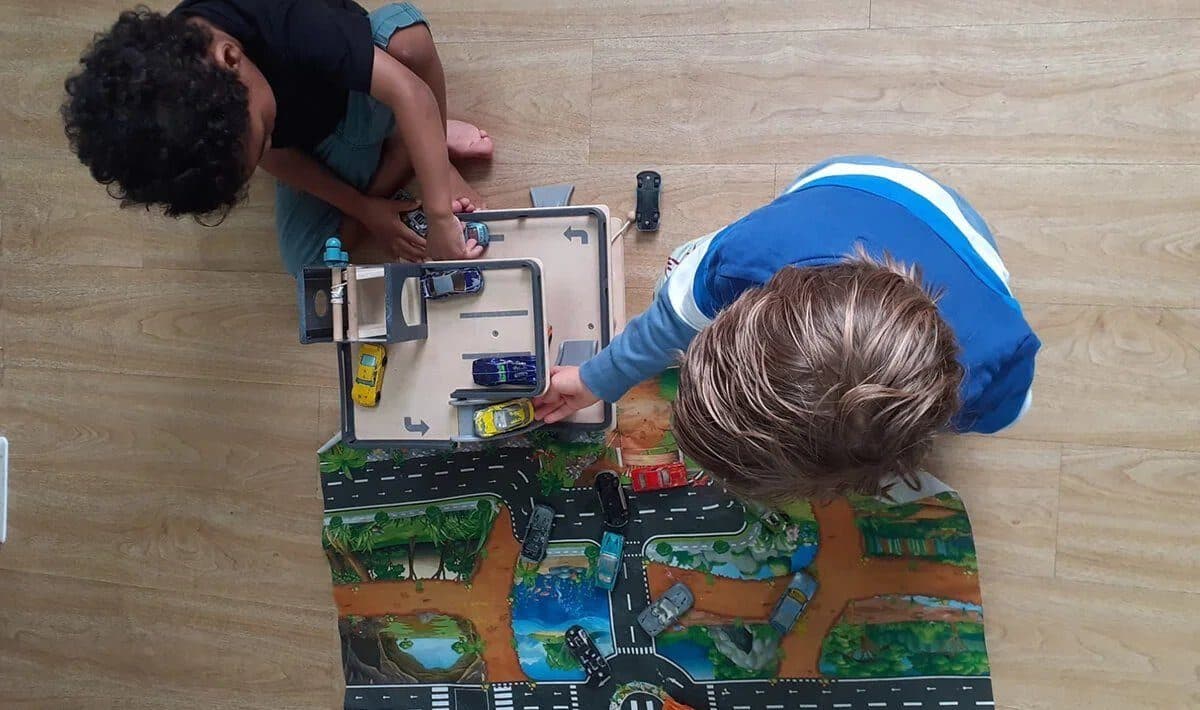
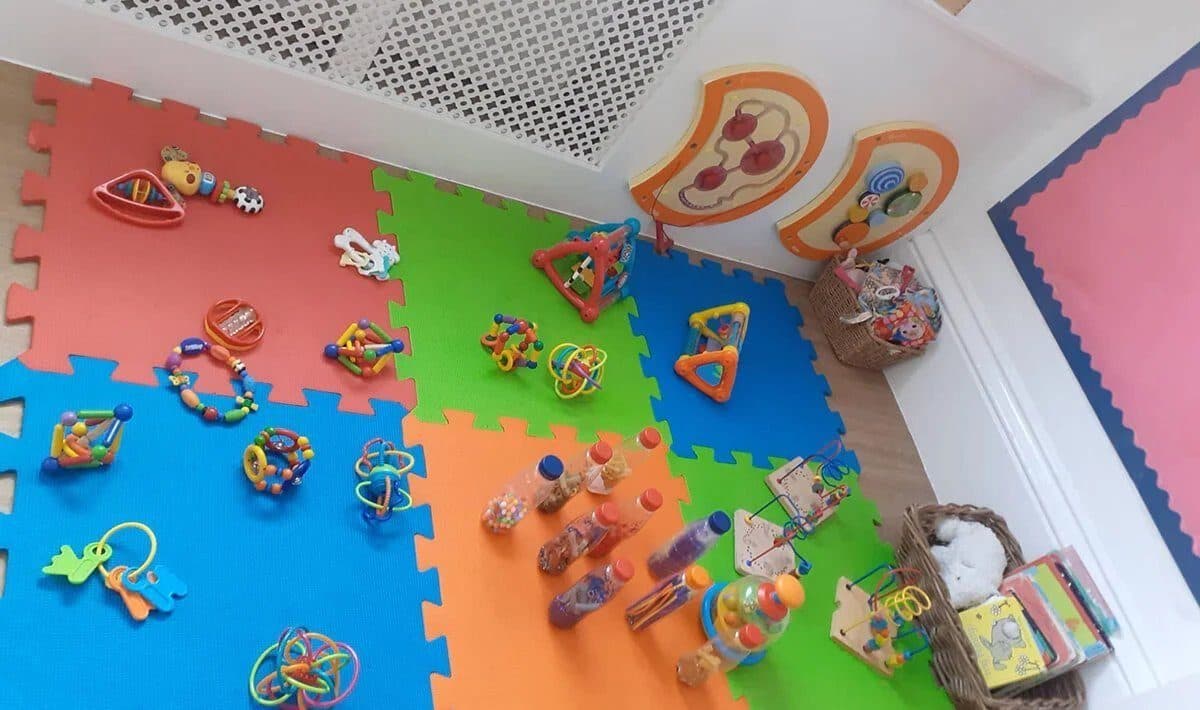

We believe firmly that play is not a filler activity for babies while they wait to grow up. It is how they learn. A baby banging a spoon on a tray, reaching for a rattle just out of grasp, or babbling back and forth with a key person is doing genuine developmental work, and we treat it that way. Outdoor time happens daily, whatever the weather allows, because fresh air and a change of scene matter for even the youngest babies, and our art studio and reading corner are there to be grown into as children become steadier on their feet and more curious about mark-making and stories.
Come and see it for yourself
Book a tourWe also know that at this age, you are still finding your feet as a parent as much as your child is finding theirs. Whether it is questions about weaning, sleep, or whether a particular milestone should have happened by now, we see ourselves as a genuine partner in that, not just a childcare provider. Freshly cooked meals, buggy storage, extended hours and 51 weeks of opening a year are all there to make the practical side easier, so you can focus on the parts of this stage that matter most.
Our other rooms
A visit is the best way to know if we are the right fit for your family. Meet our team, explore our spaces, and ask us anything you like.
Come and visit usThings parents ask us
We build settling in around your child's key person, so the first visits are about that one adult learning your baby's routines, comfort habits and cues before anything else happens. We go at the pace your baby needs rather than a fixed schedule, and we would always rather add an extra settling session than rush one. Parents are welcome to stay for part of these visits, and we talk openly about what we are noticing so there are no surprises.
With one adult to every three babies, your child's key person has the capacity to actually respond, not just supervise. That means noticing when a baby is getting tired before a meltdown, following their lead during play, and having proper back and forth babbling and talking rather than managing from a distance. It is also what makes flexible, individual sleep and feeding routines realistic rather than aspirational.
Babies at this age are all over the place with sleep needs, and we do not try to force them onto a single group nap schedule. Instead we follow the routine you use at home as closely as we can, adjusting as your baby grows and their needs change. We keep you updated on sleep, feeding and nappy changes through the day so there is a clear picture of how things went.
Communication starts long before first words, through eye contact, tone of voice, songs, and simply narrating what is happening during everyday moments like nappy changes or snack time. Our key person approach matters here too, because a familiar adult who knows a baby's particular sounds and gestures can respond to them meaningfully, which is what actually builds early language rather than passive exposure.
There is no fixed birthday cut-off. We look at physical development, confidence, and how settled a child seems, and we plan the move to the next room gradually, with visits and overlap time so it never feels sudden. Your child's key person will talk you through it well in advance and involve you in the timing.
Consistency helps more than anything else at this age, so sharing your home routines around sleep, feeding and comfort habits lets us mirror them here. Simple things like narrating everyday activities, reading together, and giving your baby space to move and reach for things themselves all reinforce what we are doing during the day.