
 9 months to 2 years
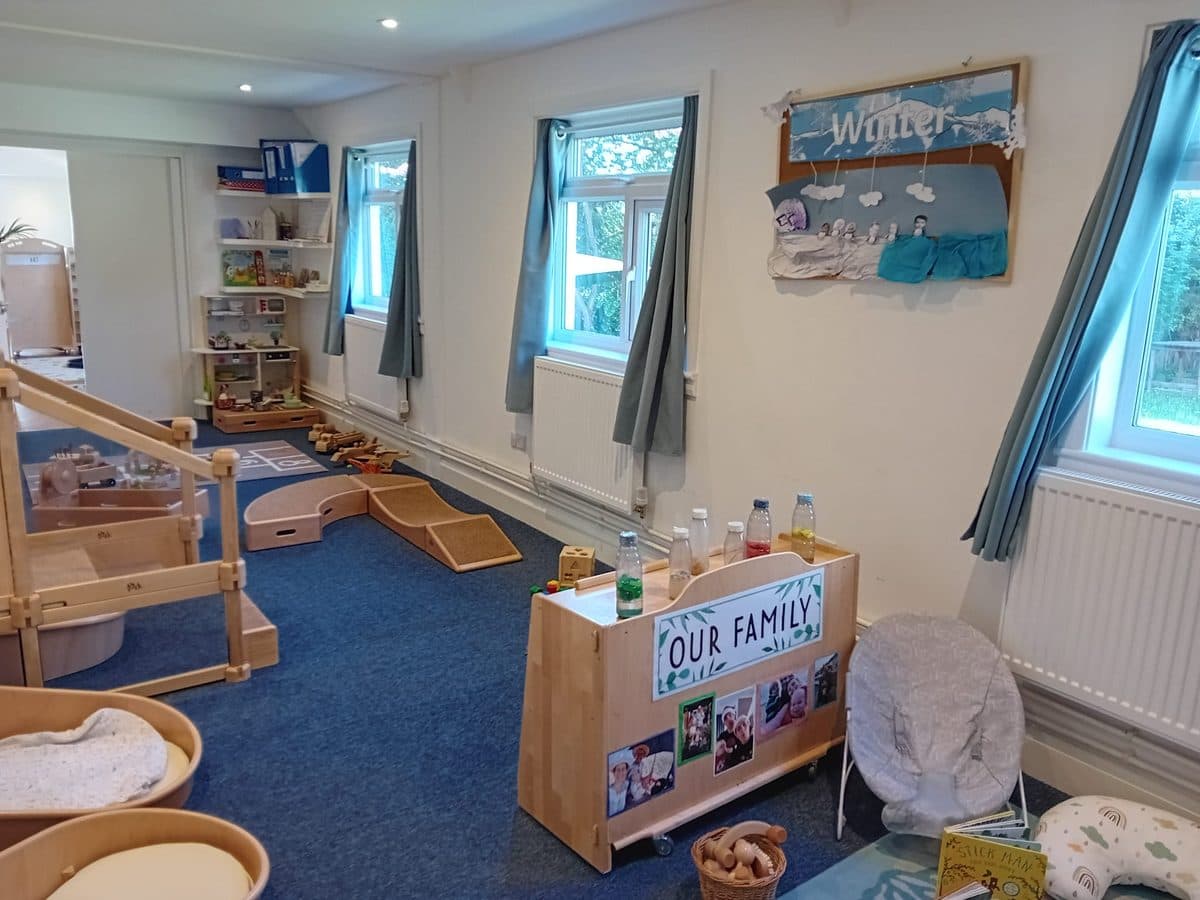
Babies
- Ratio
- 1:3
- Outdoor access
Sensory exploration, early communication, physical development and building secure attachments with key carers.
By the time children reach Pre-school, something shifts. They want to negotiate, to argue their case, to team up with a friend on a plan that takes twenty minutes to fall apart and rebuild. Our Pre-school room is built around that shift, with a ratio of 1:8 that gives children room to work things out themselves while an adult is close enough to step in when it genuinely matters, not before.
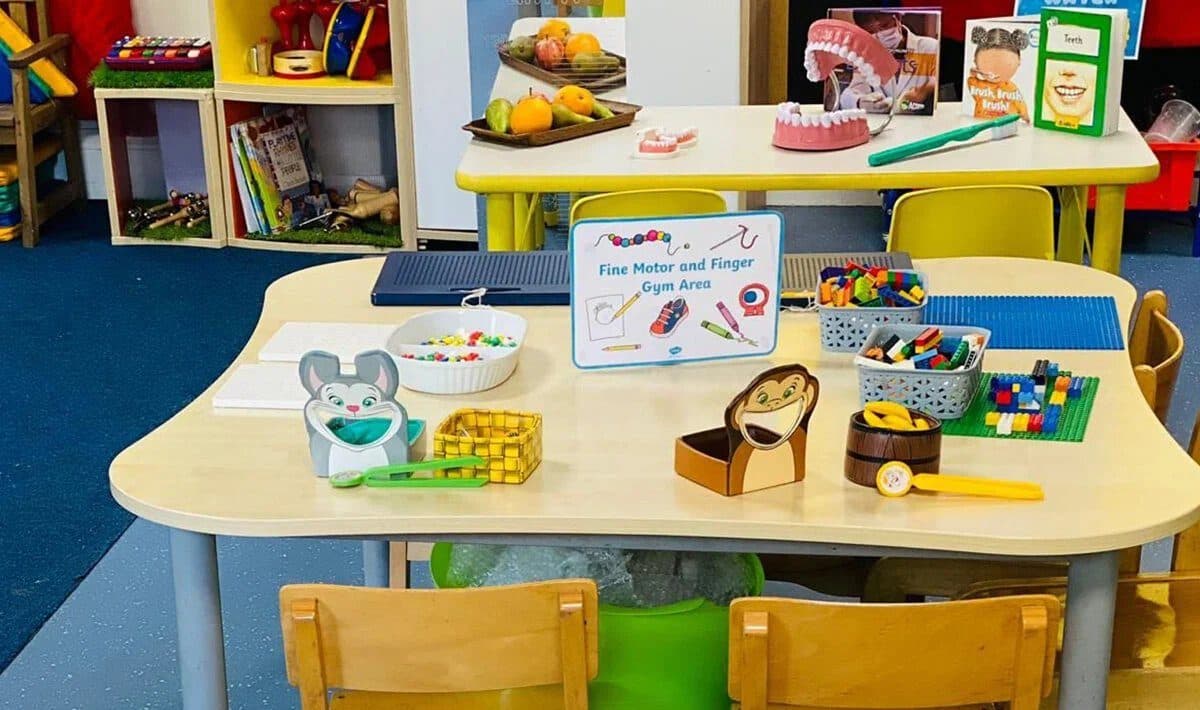
This is the stage where literacy and numeracy start to take proper shape, but not through worksheets. A child mark-making in the art studio is building the hand control they will need for writing. A child sorting conkers by size in the mud kitchen is doing mathematics, whether they know it or not. Our reading corner is used daily, not as a quiet corner to fill time but as somewhere stories get discussed, predicted, and argued over. Daily outdoor access matters just as much here as indoors, because problem solving, risk-taking and physical confidence all grow out of real space to move.


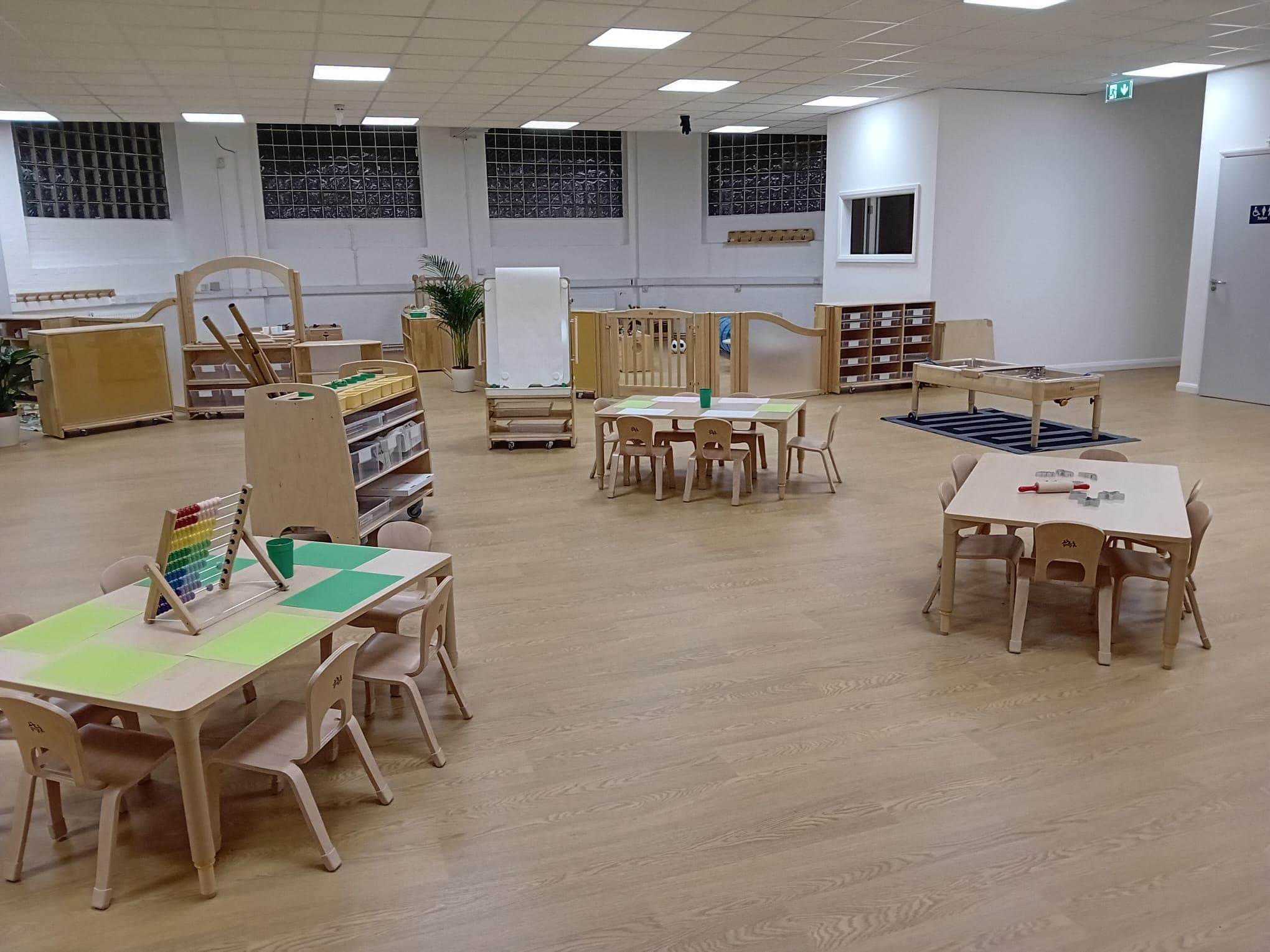
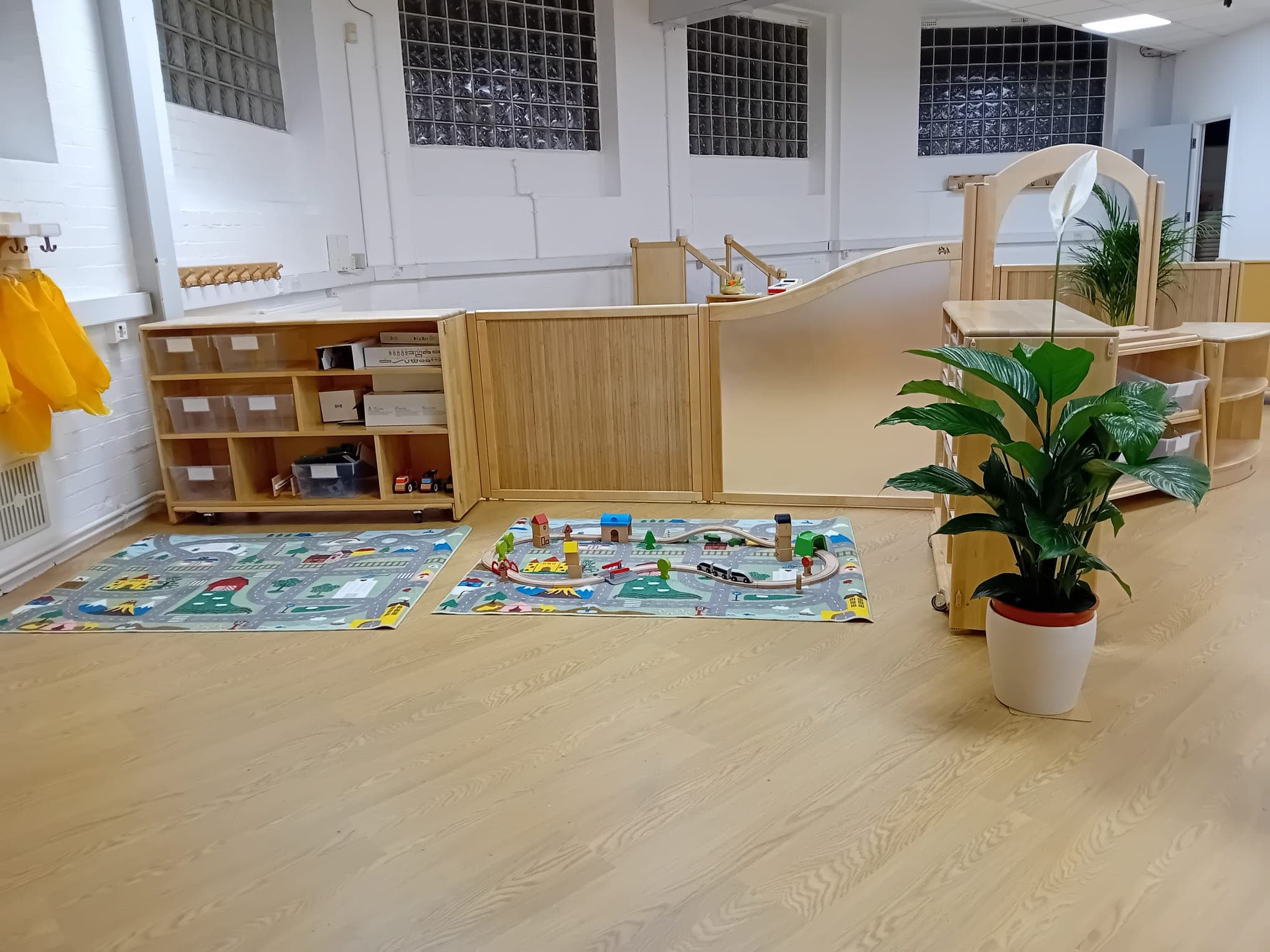
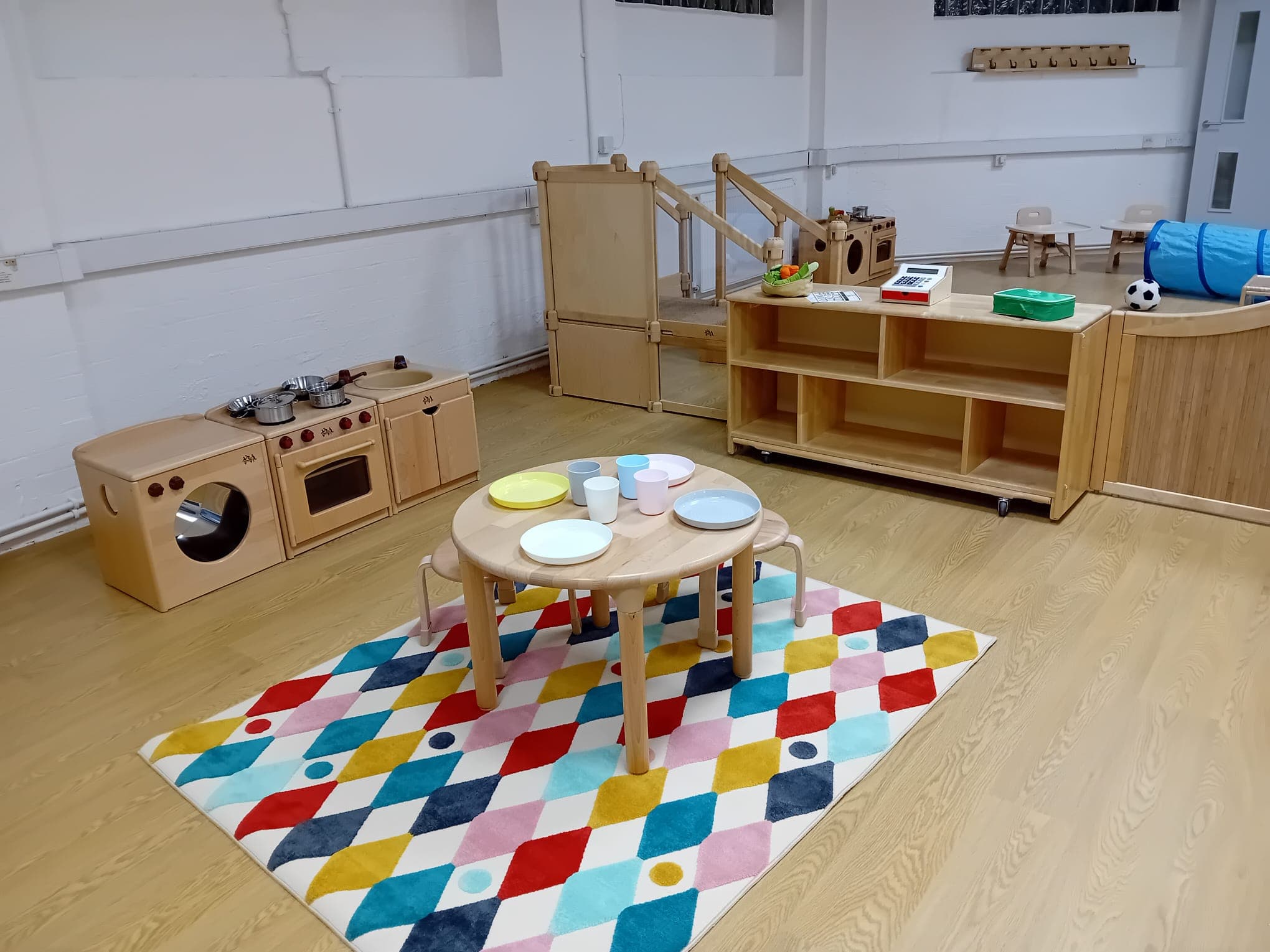
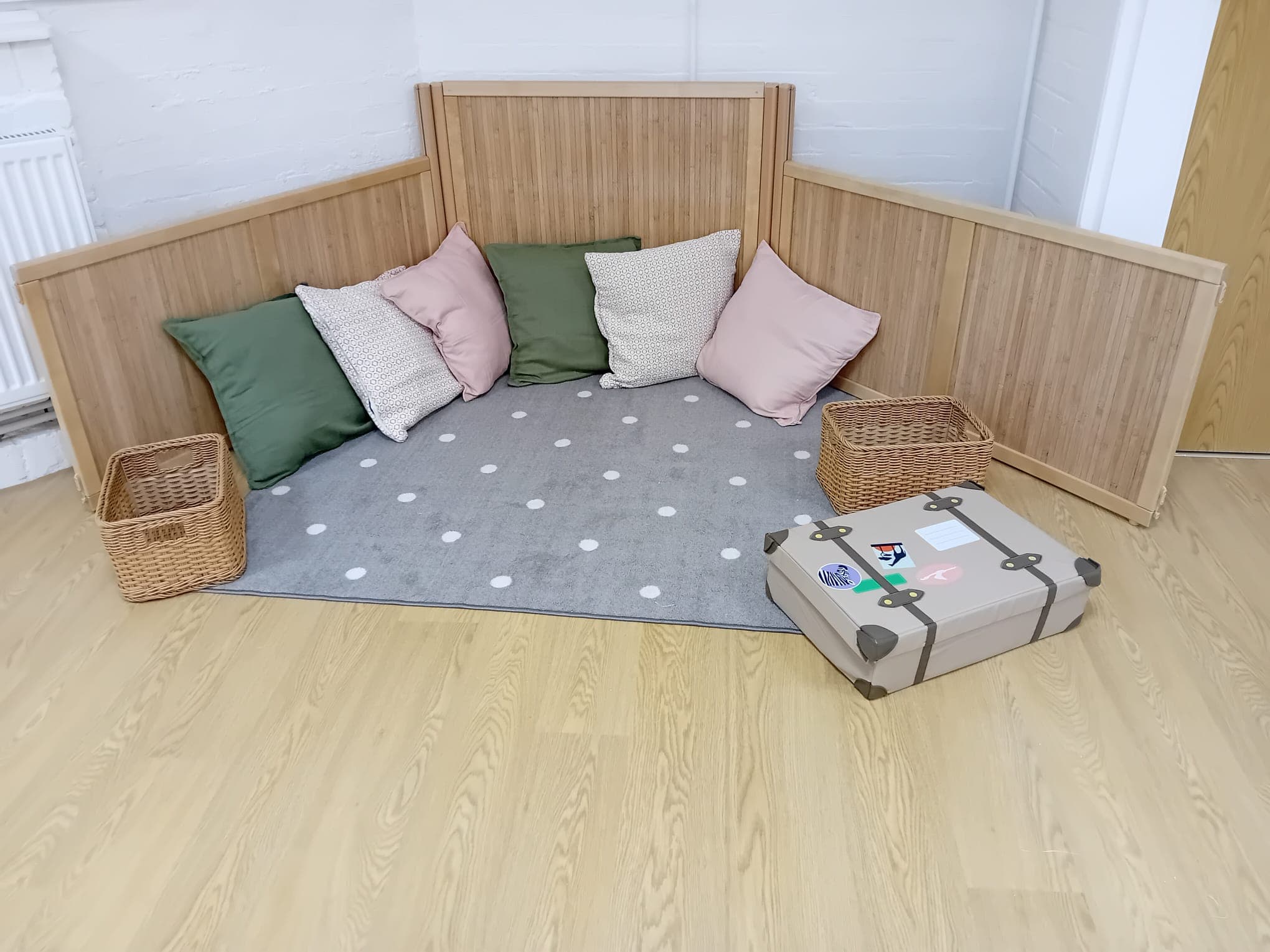


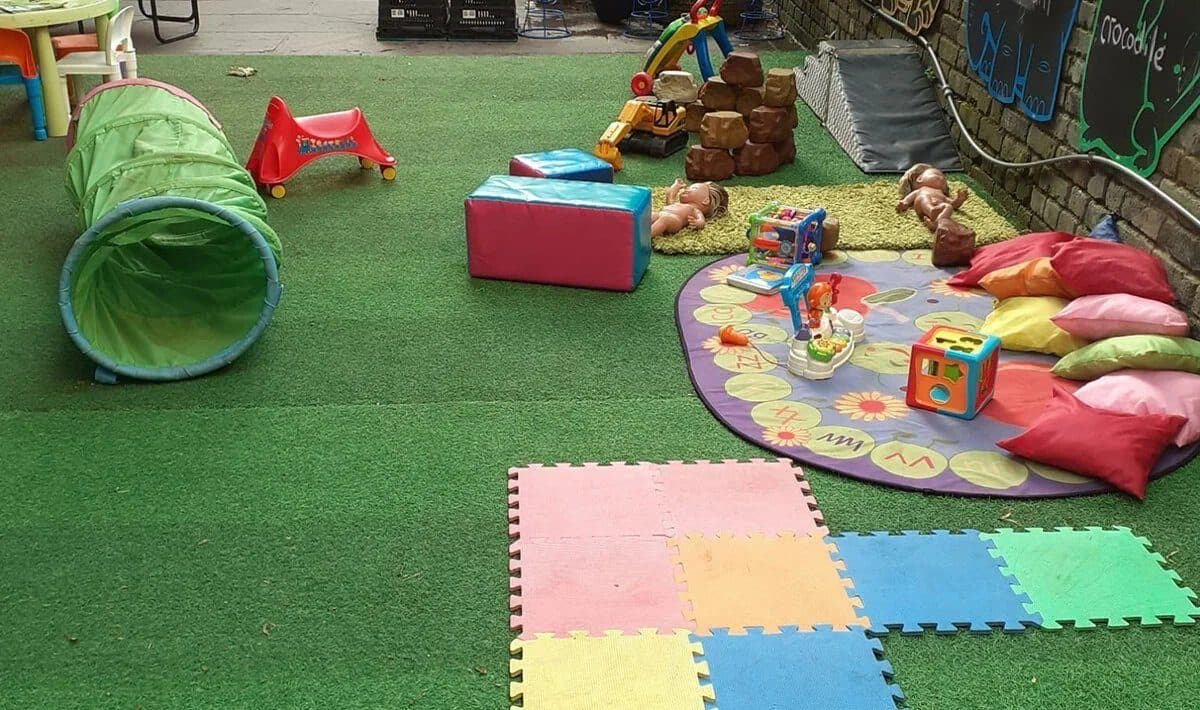
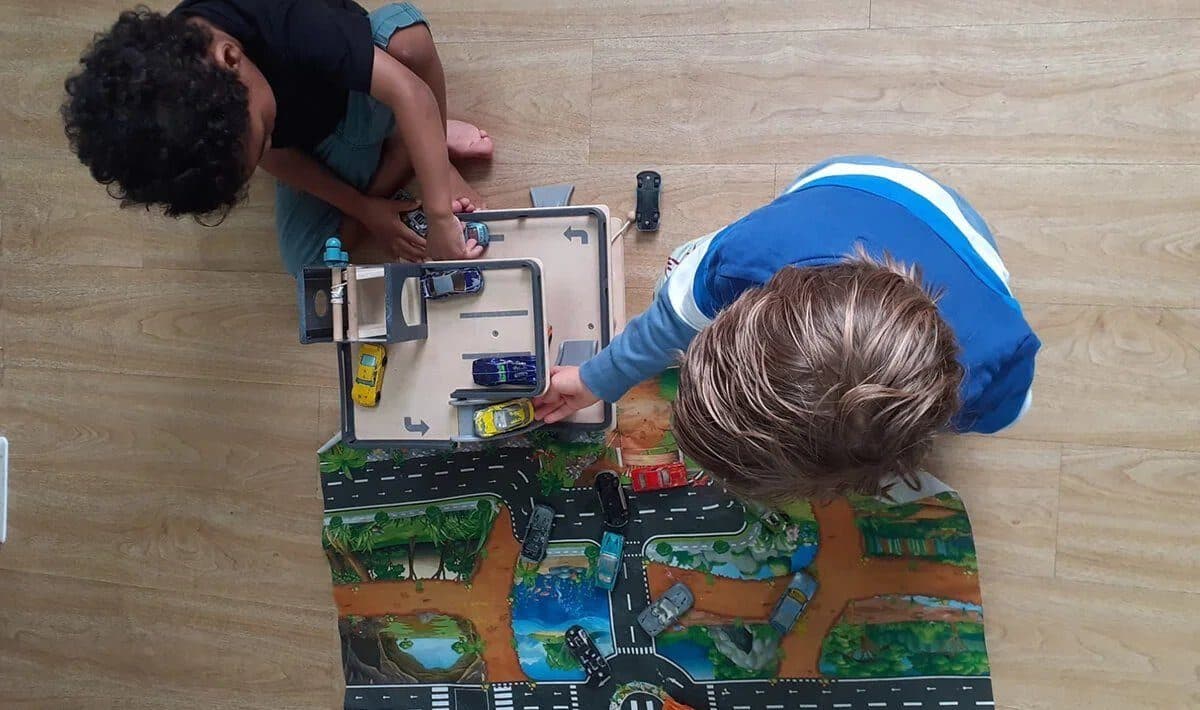
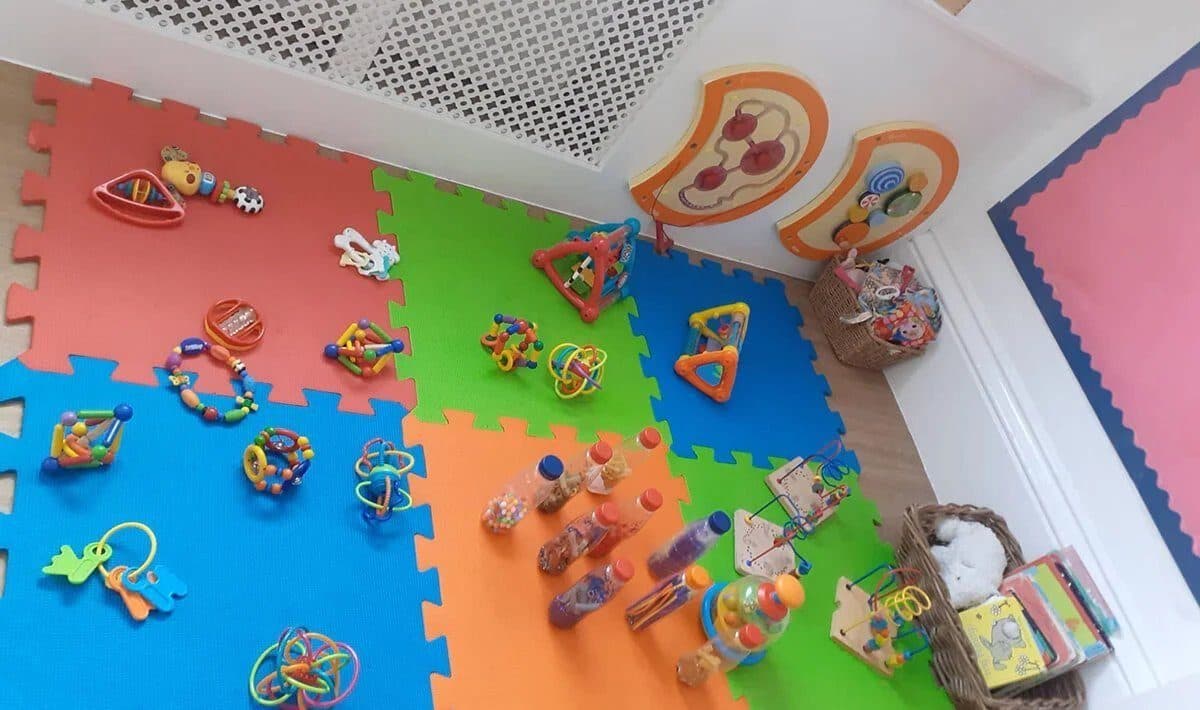

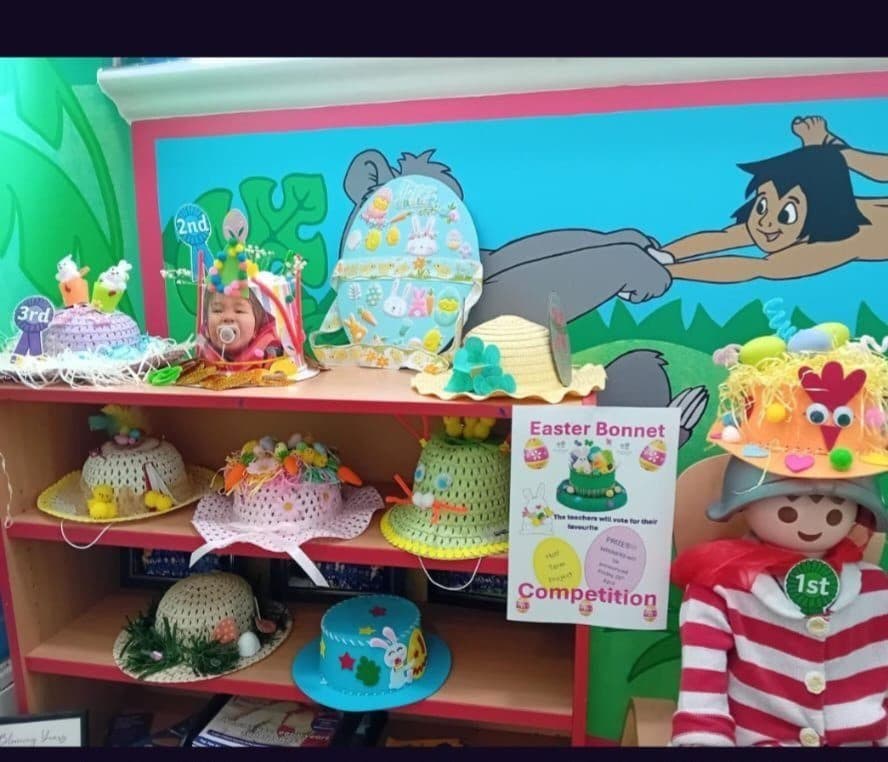
We teach children how to think rather than what to think, and Pre-school is where that philosophy earns its keep. Confidence and independence are not add-ons to school readiness, they are the substance of it. A child who can make a choice, stick with a tricky task, ask for help and manage their own coat is further ahead than a child who can recite letters but folds at the first sign of frustration. We treat friendships, turn-taking and sitting through a group activity as seriously as we treat counting and letter sounds, because both matter for what comes next.
Come and see it for yourself
Book a tourWe also stay close to parents through this stage, because the questions do not stop just because a child seems more capable. Whether it is a worry about speech, a wobble about starting school, or just wanting to know how the day actually went, we treat you as the expert on your own child and ourselves as a second pair of eyes who happen to see them for several hours a day.
Our other rooms
A visit is the best way to know if we are the right fit for your family. Meet our team, explore our spaces, and ask us anything you like.
Come and visit usThings parents ask us
It is not about drilling letters and numbers, though those foundations are there too. We care more about whether a child can listen to an instruction with two or three steps in it, sit through a short group activity, manage their own coat and shoes, and recover from a disagreement with a friend without falling apart. Those are the skills that make the first weeks of school manageable, and we build them deliberately, not by accident.
We focus on independence long before the final term, because a child who can already dress themselves, use the toilet independently and ask an adult for help when stuck has a much easier transition than one who is learning all of that at the same time as a new building and new faces. Conversations with parents about the move happen well in advance, and we are honest if we think a child needs a bit more time or support with something specific.
We would rather raise something early and be wrong than wait and lose time. If we notice a child is finding something consistently tricky, whether that is speech, attention, or a physical skill, we talk to you about it directly and work out next steps together, including outside support if that is the right call. Nothing happens behind closed doors.
Three and four year olds are working out how to manage frustration, disappointment and excitement all at once, and it does not always come out neatly. We stay calm, name what we think is going on for them, and give them a way back to the group rather than treating the moment as something to be punished. Consistency matters more here than any single technique.
We keep a genuine eye on the four areas that come to the fore at this age, literacy, mathematics, understanding the world and expressive arts, alongside the confidence and independence we care about just as much. You will hear specifics from us, not vague updates, and we would rather have a proper conversation about where your child is than hand over a form and call it done.
Simple things go furthest: letting your child try to dress themselves even when you are in a rush, talking through the plan for the day so they practise following steps, and reading together often, letting them predict what happens next rather than just listening. Mark-making at home, even scribbles and shopping lists, feeds directly into what we are building here.
